
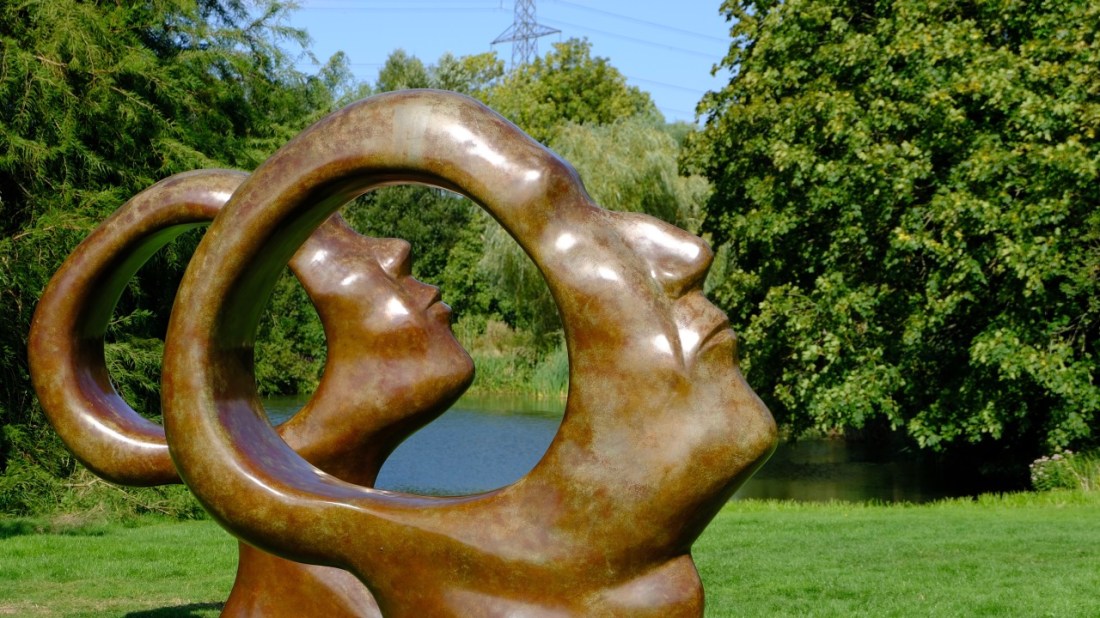
Statues
The world needs another source of racial tension like any of us need a hole in the head. But we have it. Statues. Specifically, statues of persons with links to unsavoury, often murderous pasts. The statue of a slave trader, Mr Colston, was ripped down by Bristolian protesters just a few days ago and thrown in the river. There are more like him about, lurking on street corners.
I pondered for a while how I should feel about this. It’s true, the man was a scourge on human decency. To say the least. Also true, the mob committed an act of criminal damage. Yes, statues have an aspect of adoration to them. But also a role in representing the history of his or her time. My conclusion? That this was potentially a most excellent turn of events. A prod to action, an opportunity for the UK to modernise and update it’s cultural street scene. I will, of course, explain.
It’s going to be tough to find an entirely wholesome pre-war character that is today stood in a British street, hewn from bronze and other metals. Perhaps Florence Nightingale qualifies. So I think some forgiveness will have to be found, some allowances made and some dark episodes overlooked, or there will be nothing of note left on display other than a very few exceptional specimens. And yes, if we took this to a literal extreme, Churchill would have to be removed from his plinth and Nelson from his column.
These statues tell stories of our country’s history, good and bad. Some of those stories might inspire pride or stand as examples of good men and women doing the right thing. But others clearly represent acts of barbarity and immorality that cannot be overlooked in the 21st century. That doesn’t mean that they should all be destroyed. We should look to Budapest as the role model when it comes to dealing with the metal momentos of a tyrannical past. With the end of communism in Hungary, their Soviet era statues were removed from the streets and placed in a park where they could continue to tell their story, within a new and more fitting narrative and context.
The statue of Colston has told a story for centuries. Its dip into the river is simply another chapter in that story. It’s an important chapter. Future generations should be able to see the statue, see the damage caused by the mob and learn how a corner was turned one evening in 2020. To smelt it down and destroy it is nothing more than historical vandalism, an attempt to wash away a shameful example from our history, to once again attempt to hide the guilt of some of our ancestors out of view.
We have statues of dodgy characters aplenty in the UK. Most cities have sufficient stock to be able to fill their own statue parks with bronze. It’s come time to decide where to put these parks and who to condemn to reside within them. The moment is now.
 The Mexile