
Tashkent sounds exotic. Mysterious. Far away. Exotic. And yet, does the name conjure up any specific image? It didn’t for me, and I suspect I’m not alone. So Tashkent was a journey of discovery, which is the best type of journey in my opinion. How best can I give a brief overview of what I found? I think we should start at the Tashkent TV Tower. It’s the perfect place for a literal view of the city. And also a somewhat metaphorical one.
The Tashkent Tower looks like an upright 1970s spaceship from a budget television series. It’s a bit Blake’s Sevenish, perhaps. It stands 1300 foot tall, resplendent in the light blue, green and white colours of Uzbekistan. It has a viewing deck, a restaurant and a couple of displays of model towers from around the world. Indeed, Tashkent Tower has all the mod cons of a tower in a city in the developed world, which is clearly how both the tower and Tashkent wanted to be viewed. A proper city, not some dusty, desolate, bankrupt backwater of the Soviet Union.



The view from the viewing deck? Tashkent is a big city; the urban scenery disappears off to the mountains on the horizon. It’s the most populous city in Central Asia. It was the fourth most populated city in the Soviet Union, behind Moscow, St Petersburg and Kyiv. Most of the buildings are pretty standard, blocky construction. It’d be unfair to describe the city as ugly. But it’s not Paris. Most of the city is a bit Plain Jane.
There’s a big water park not far from the tower and a newish mosque. We visited neither. It was far too hot to swim. And we were just days away from visiting Samarkand and Bukhara, which boast the grandest Islamic architecture and design for a thousand miles. We’d not come to Tashkent for Mosques and Madrasas. We were here for the communism. Luxury communism, with all the bells and whistles.

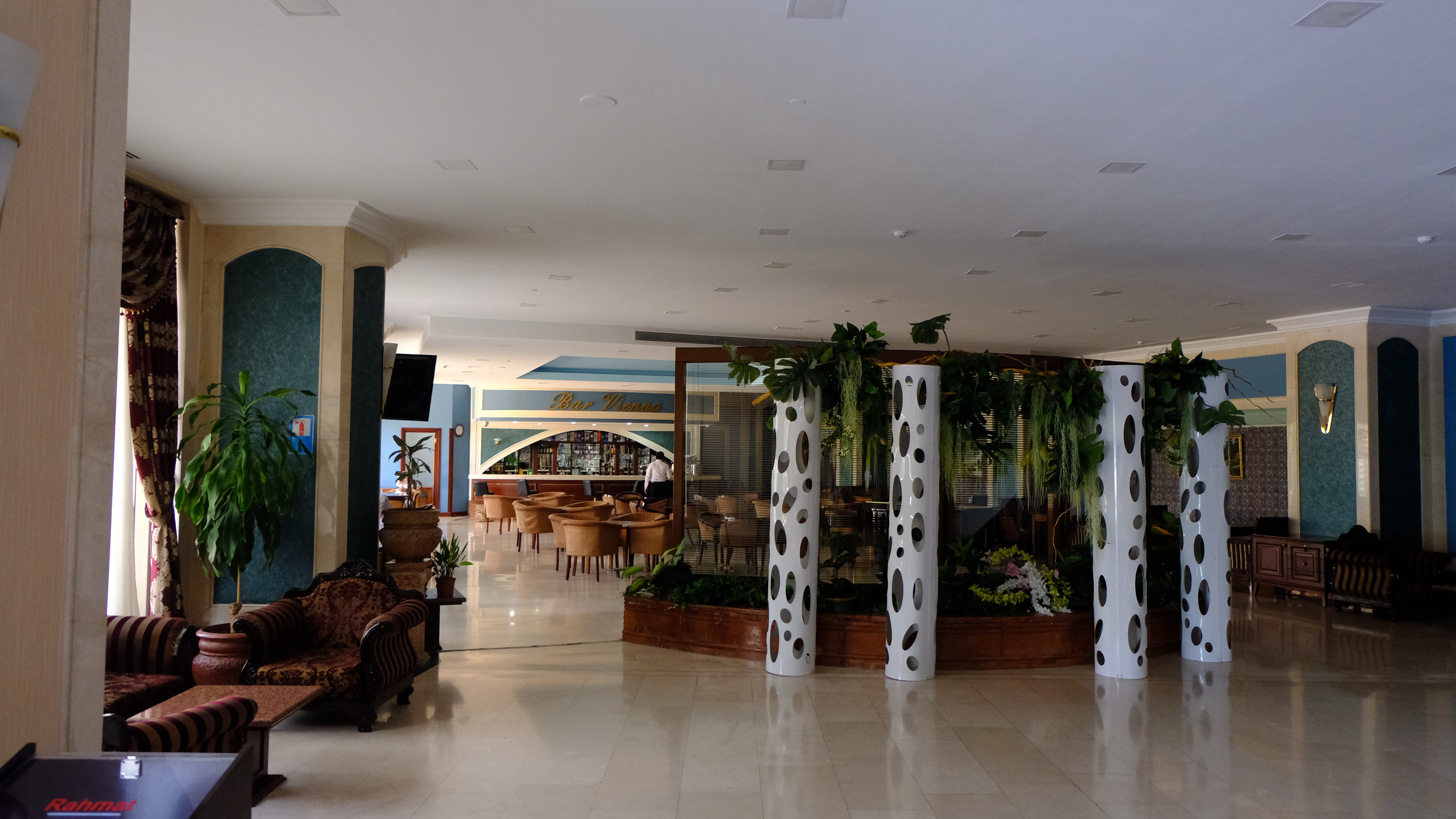
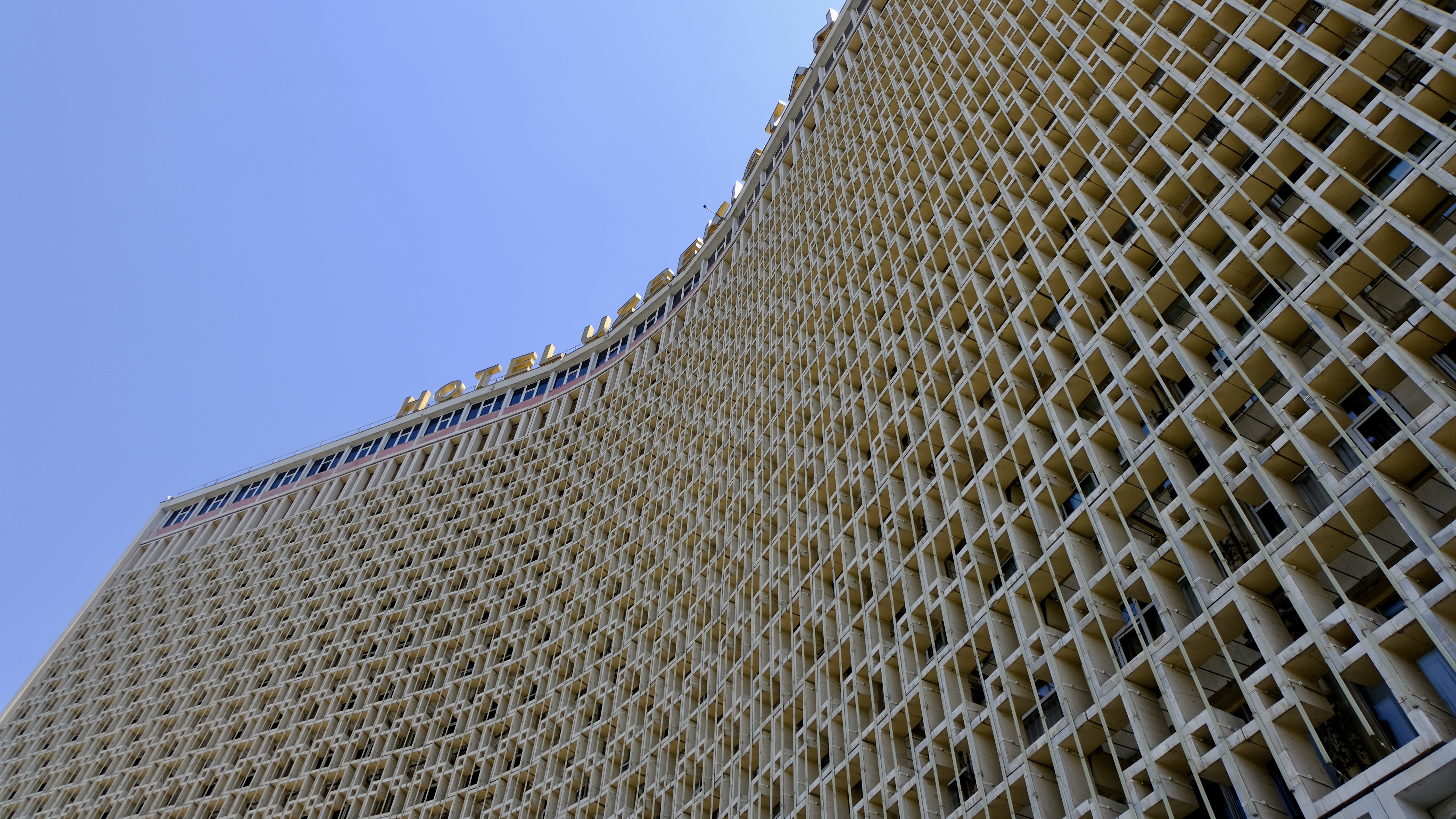
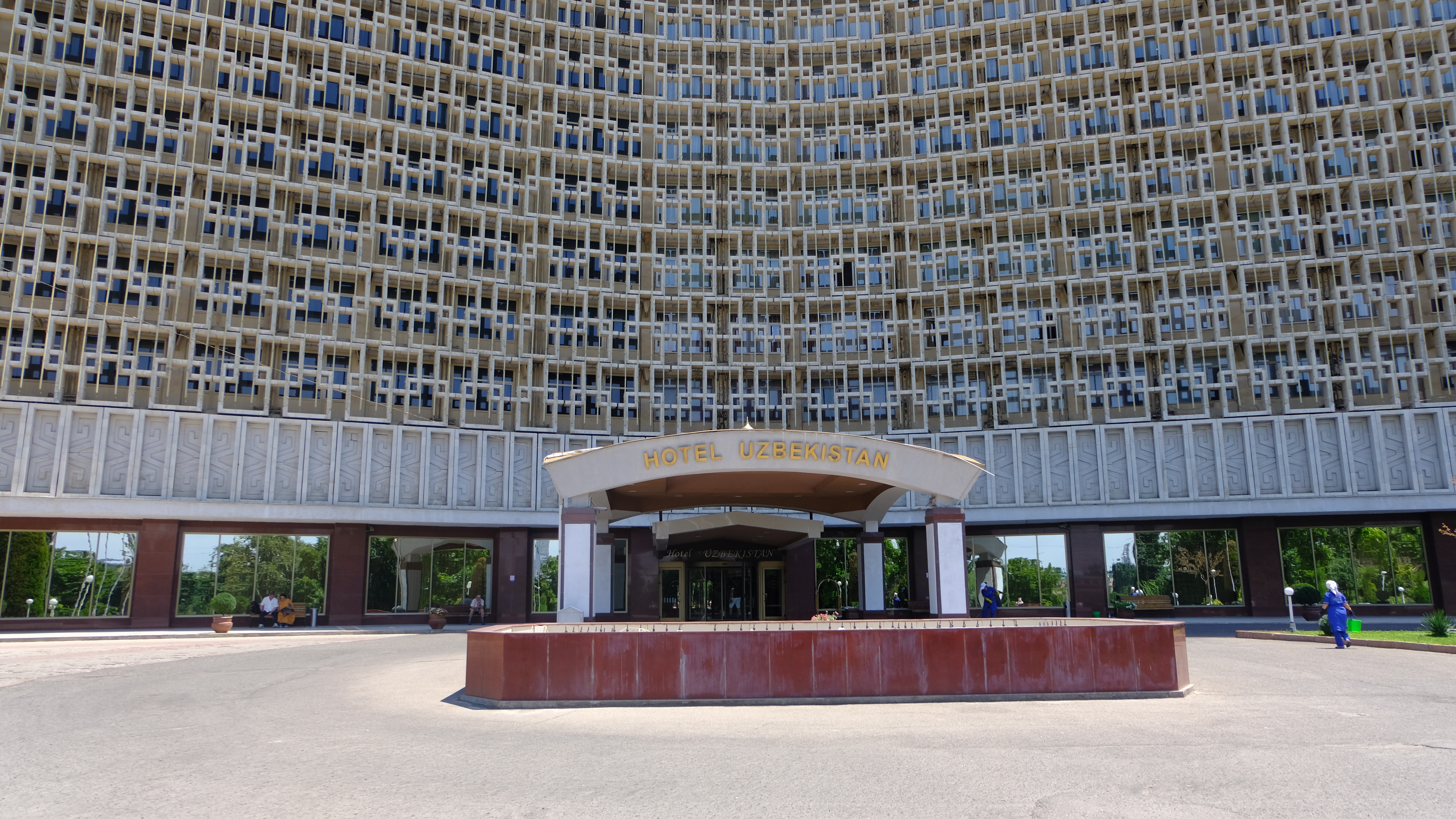
Tashkent was rebuilt from scratch in the mid 60s after an earthquake flattened the city. It was rebuilt as a poster child of communism, to show off the potential of what the Soviet Union could do. To be fair, the results were reasonably impressive, particularly if concrete brutalism is your cup of tea. The towering Hotel Uzbekistan is a prime example. I’d have spent a night there, despite the dreadful reviews, just for the nostalgic experience. Alas, I wasn’t the sole decision maker on this trip and, having been overruled, was forced to sleep elsewhere in a boring but bedbug free establishment.
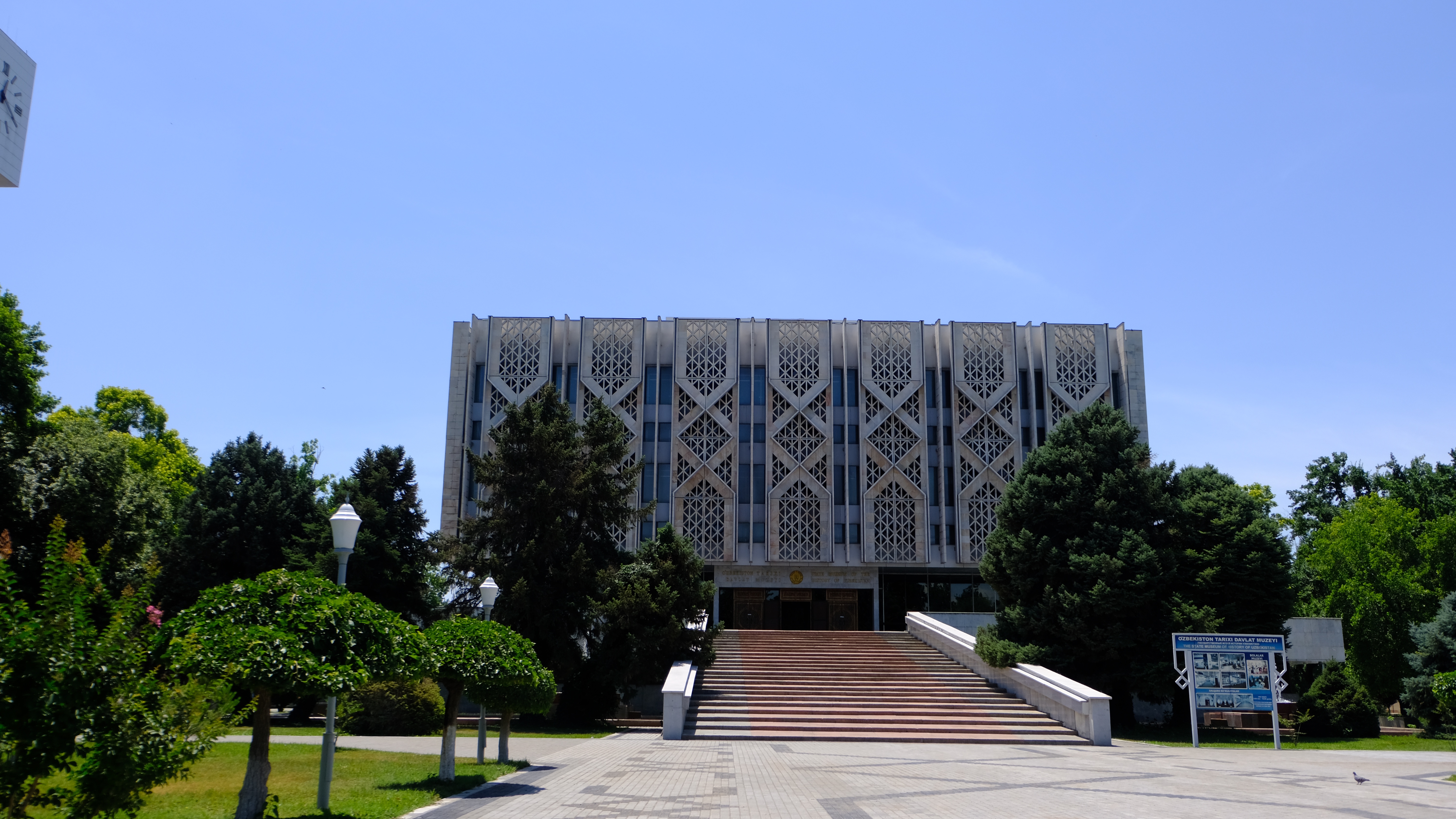
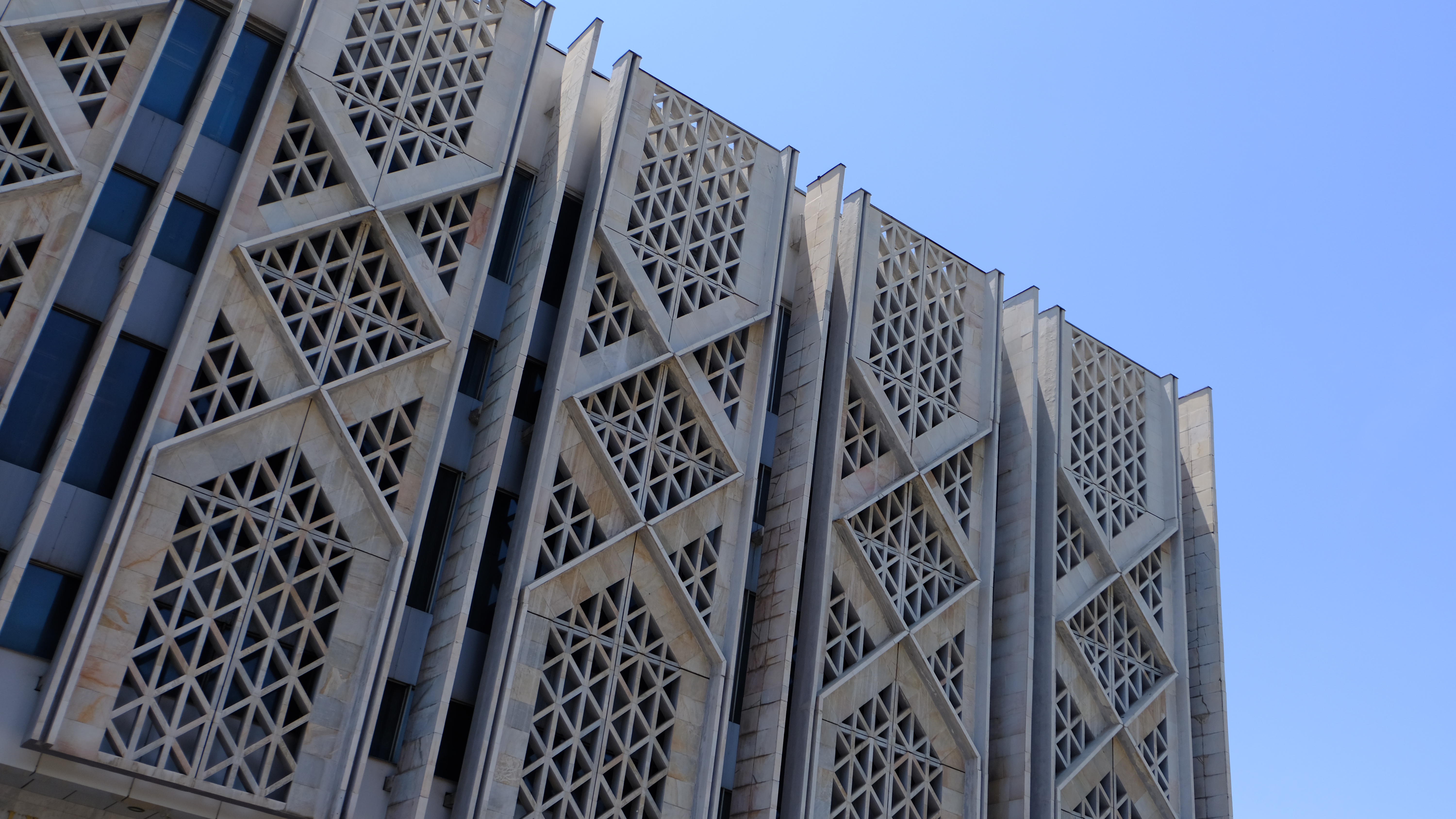
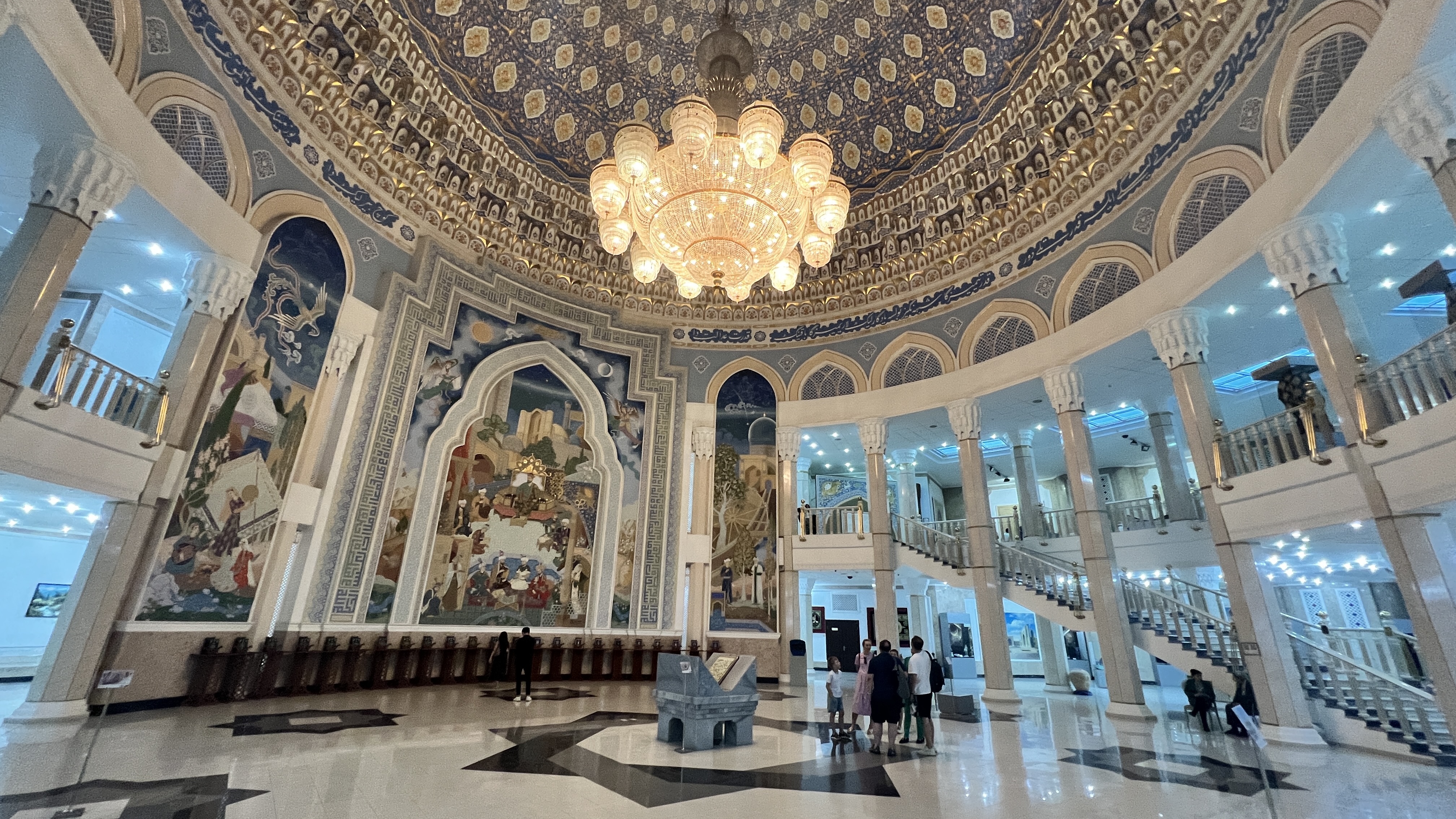
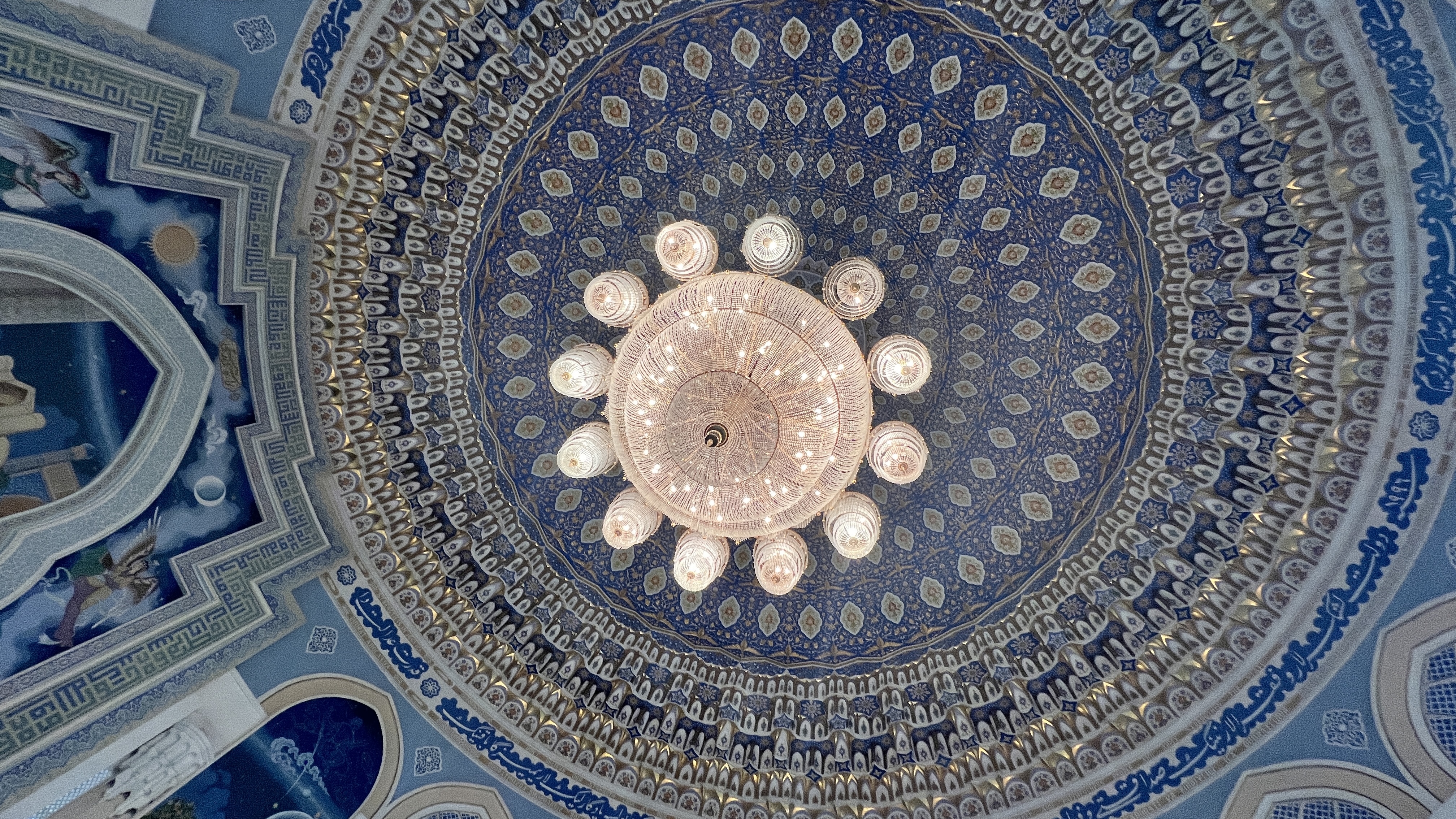
The State Museum of Uzbekistan is another absolute gem. Knocked up in 1970 and originally called the Lenin Museum, this is a wonderful place, inside and out. Several floors of exhibits detailing the history of the country over thousands of years. A history that eventually moves into the post-communist era. At which point a decision was made to stop building architectural devotions to the Marxists of the recent past, and bring Amir Timur back into fashion. So, not to be missed, the Museum of the Timurids, a tribute to every Uzbeks favourite genocidal maniac.




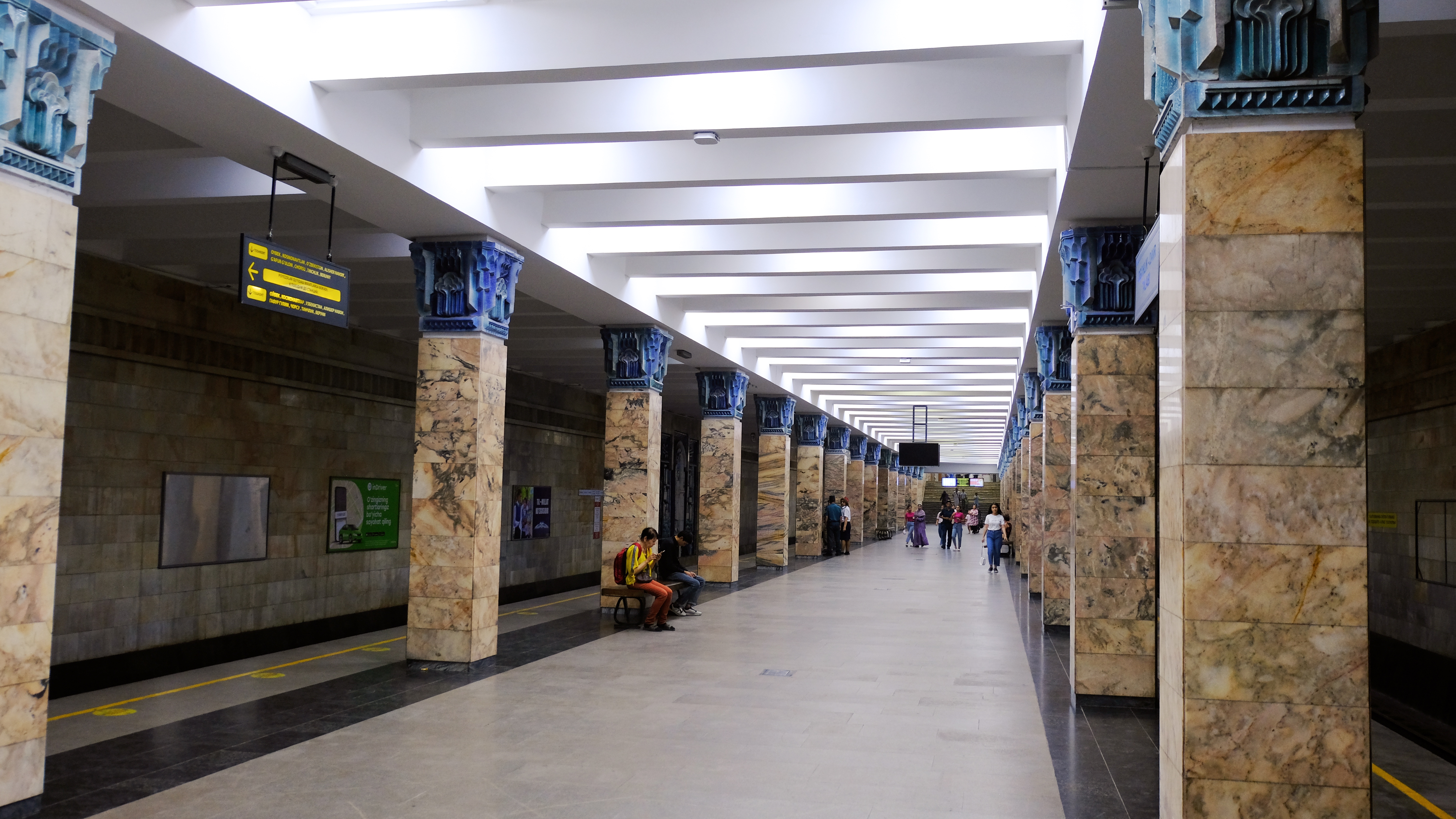
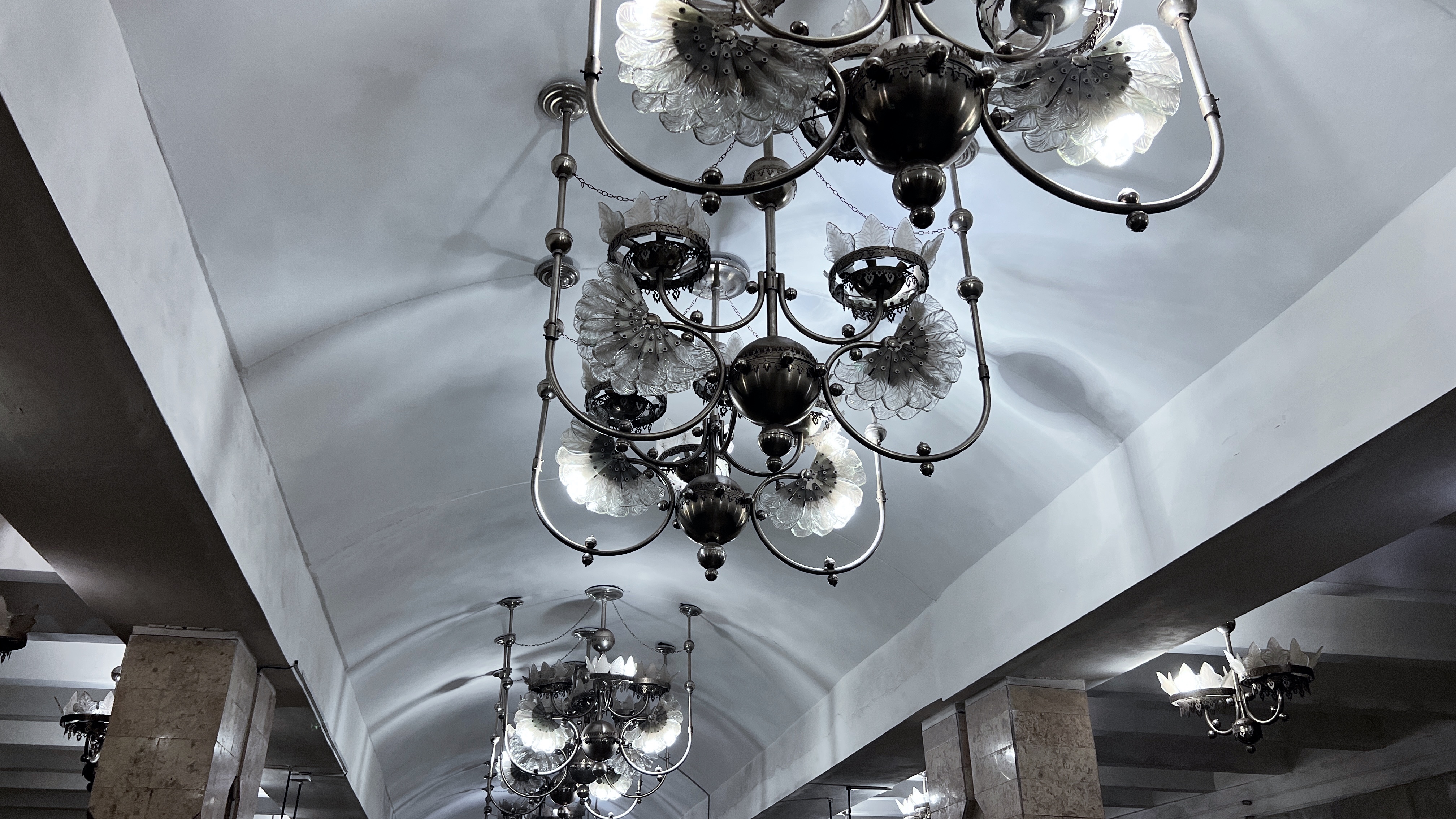
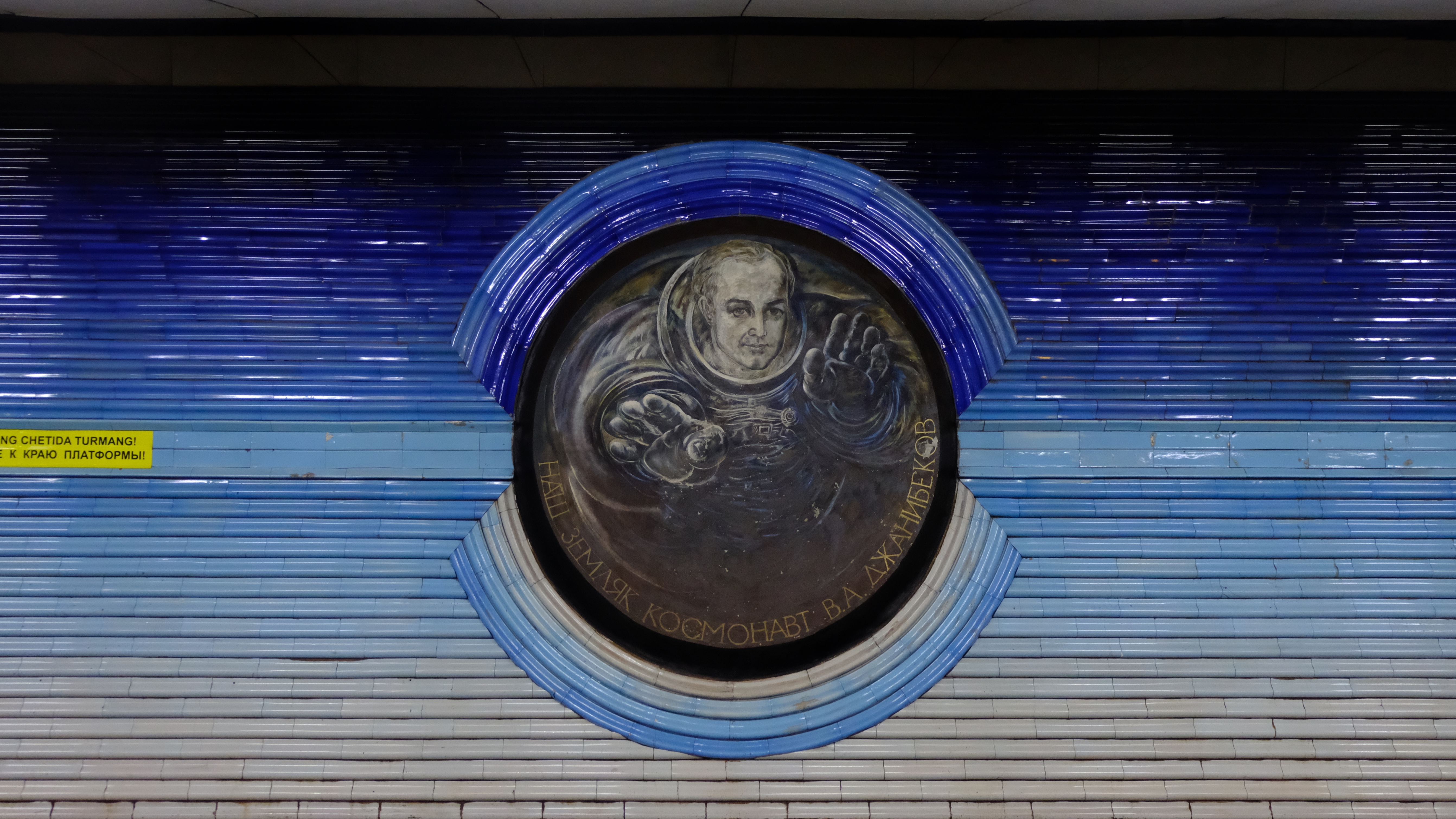
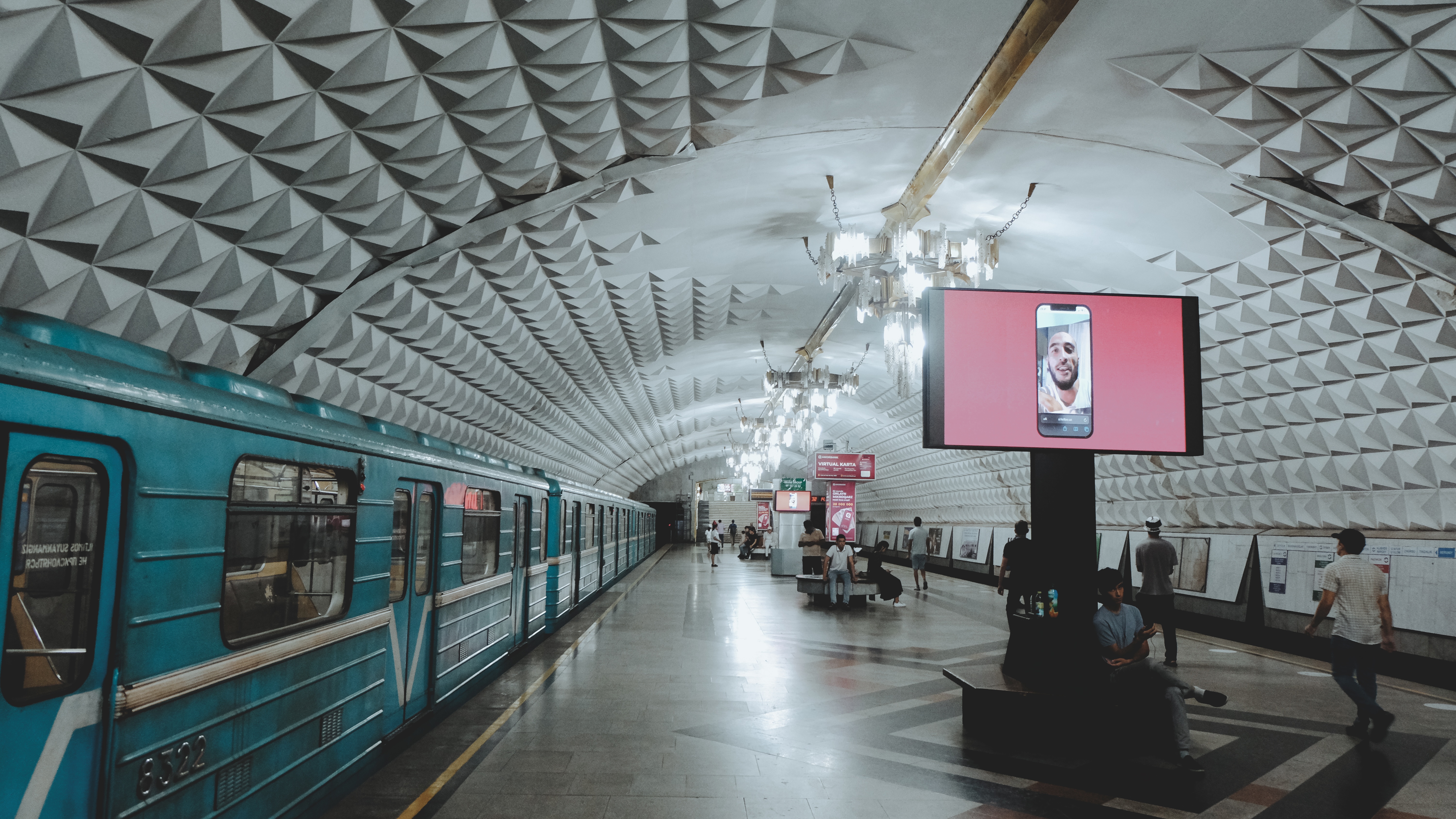
All these sights and more are easily visited on foot, by taxi or using the excellent metro system, which is itself perhaps the greatest legacy of the Soviet era. Twenty nine stations, each one with its unique theme. And one way tickets to anywhere cost about 10p. What’s not to like?
Tashkent is opening up to the world, but I suspect it is unlikely to reinvent itself as one of the great cities of the world. That’s not intended as an insult. It’s a fun, easy going and safe place. Some folk will be done with three or four days here. I could happily have stayed a week and tried to fit more of the excellent art museums and a weekend antiques market specializing in Soviet era tat.



But the real purpose of Tashkent is to serve as the gateway to the ancient cities of the Silk Road, Samarkand, Bukhara and Khiva. A road we were set to tread…
 The Mexile